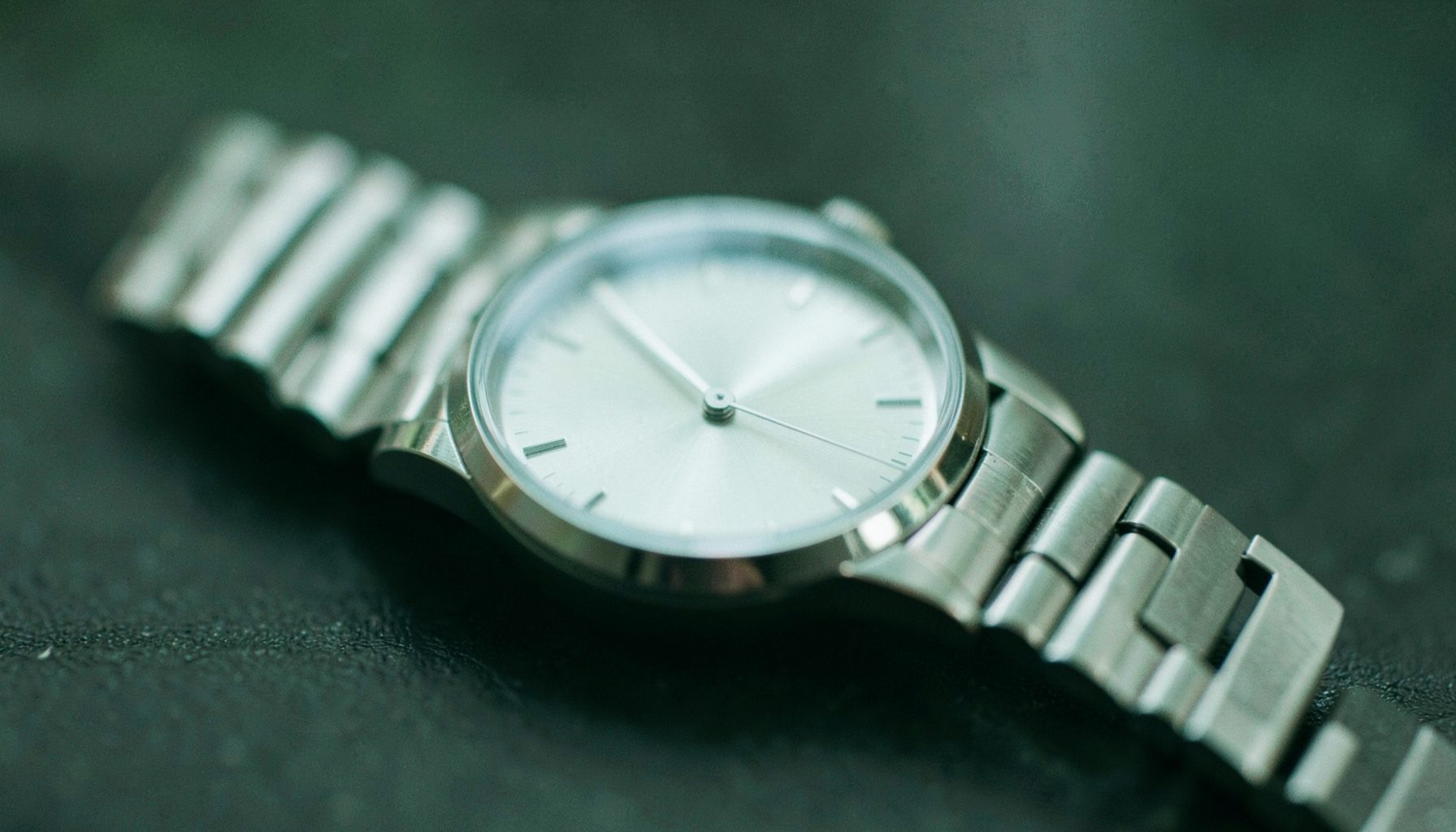
Rolex is the leader of legendary watches. The Oyster Perpetual series is by far the most recognized and easiest to recognize. Over time, it has been recognized as a representative of modern watches. The Oyster Perpetual is the result of Rolex’s watchmaking technology and expertise.
Over the years this watch has experienced many aesthetic improvements, but its unquestionable design features have always been respected and preserved. That continuity is what makes the line recognizable at a glance.
The Oyster Case, Invented in 1926
The foundation of the series is the Oyster case, invented in 1926 — the case associated with the first waterproof watch. A sealed case that resisted dust and moisture was a decisive step for a wristwatch that previously offered little protection for the movement inside it.
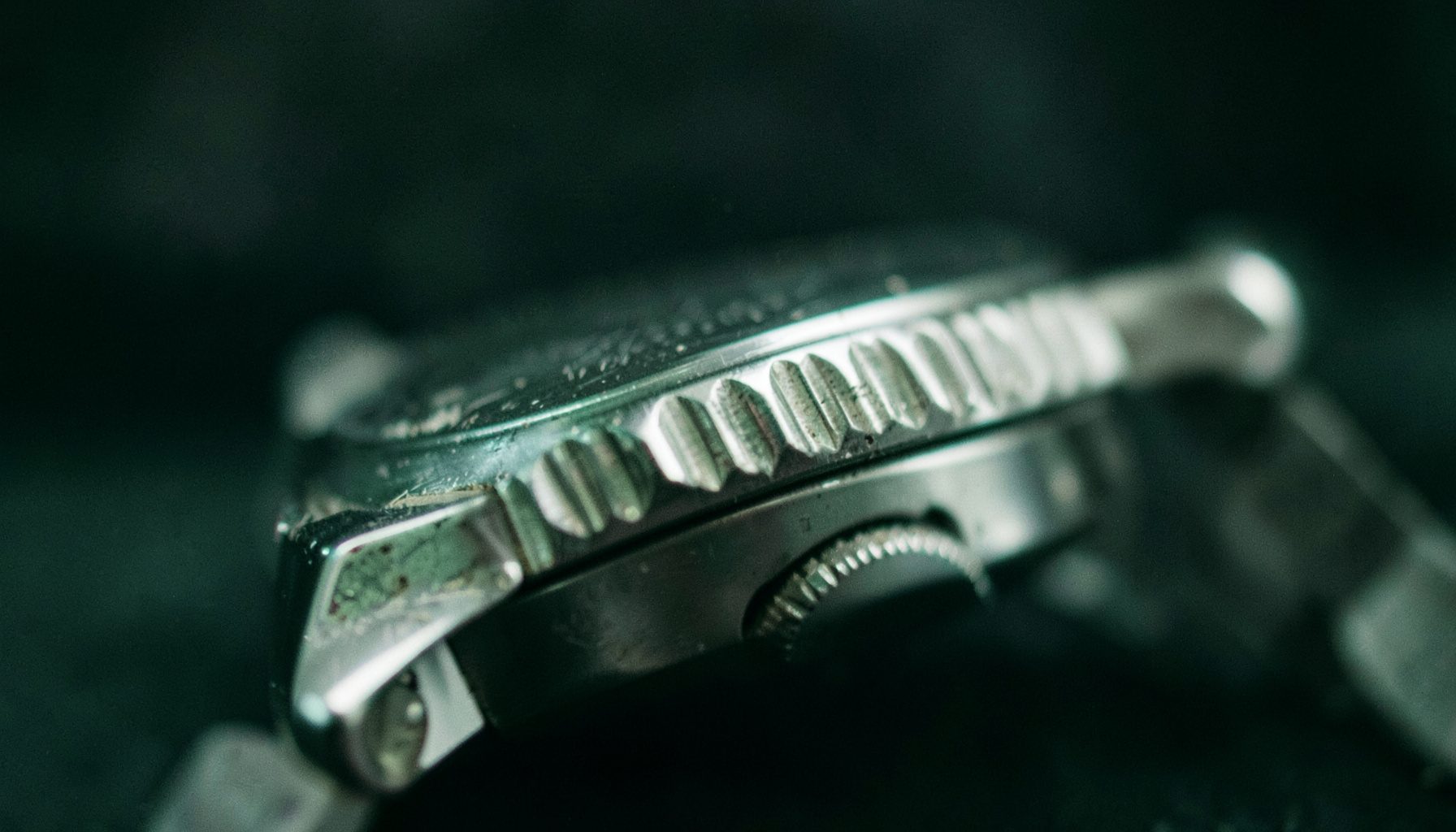
Over the years, this watch has experienced many aesthetic improvements, but its unquestionable design features have always been respected.
The 36mm Model and Its Sapphire Crystal
A defining reference point in the series is the 36mm model fitted with sapphire crystal glass. The proportions sit neatly on the wrist, and the crystal keeps the dial legible while adding a scratch-resistant surface above the movement.
| Series | Oyster Perpetual |
|---|---|
| Case innovation | Oyster case, invented in 1926 |
| Reference model | 36mm case |
| Crystal | Sapphire crystal glass |
| Design character | Recognized as a representative of modern watches |
Why the Series Still Reads as a Classic
The Oyster Perpetual rewards slow looking. Proportions are restrained, the finishing is consistent, and nothing on the dial asks for attention. It is a design that has survived repeated revisions because the essential proportions were right from the start.
For readers tracking affordable alternatives to luxury timepieces, the Oyster Perpetual remains one of the most frequently studied silhouettes in replica circles — its plain round case and smooth bezel are comparatively simple shapes to interpret and reproduce. Our replica watch guides set out how Chinese and Swiss production differ and where to look when price matters.
Where to Go Next
Continue through the watches section for detailed model reviews and brand histories, and read our earlier coverage of Rado at the Porsche Tennis Grand Prix for a look at a different side of Swiss watchmaking.